
As parents, we often look for ways to give our children a head start in their education. When it comes to early literacy, understanding the significance of Kindergarten 2 tuition becomes paramount. This transitional phase in a child’s education is not merely about basic schooling; it lays the foundational stones for skills that will be built upon throughout their academic journey. Let’s explore how Kindergarten 2 tuition can prepare children to master the skill of blending words—a fundamental part of reading.
Understanding the Role of Kindergarten 2 Tuition
At its core, Kindergarten 2 tuition plays a critical role in shaping young learners’ educational paths. It offers a structured environment where children engage in activities tailored to develop their cognitive and linguistic skills. In Singapore, where competition is steadily increasing, parents recognise the need to provide their children with supplementary education in order to stay ahead.
A well-designed Kindergarten 2 tuition plan goes beyond the basics of memorisation. It focuses on comprehension and application. Children are introduced to phonics, which helps them grasp the sounds associated with individual letters and how to blend these sounds into coherent words. This understanding marks the beginning of reading fluency—an essential skill needed for academic success.
Why Blending Words Matter for Young Learners
Blending words is the ability to combine individual sounds to form understandable words. This skill is essential for reading, writing, and overall communication. During the early years, children learn to hear, identify, and manipulate phonetic sounds. The significance of blending lies in its foundational role in literacy.
When children can blend sounds effectively, they gain the confidence to tackle more complex literacy concepts as they progress. This skill also enhances their listening abilities and helps in developing a richer vocabulary. As literacy serves as a gateway to various subjects such as science and history, encouraging young learners to master blending significantly benefits their overall academic performance.
Key Components of a Kindergarten 2 Tuition Plan
A comprehensive Kindergarten 2 tuition plan should focus on several key components to promote effective learning.
- Phonics Instruction: A strong phonics base teaches children the relationship between letters and sounds. Different phonics approaches can be integrated into the tuition plan to meet various learning styles.
- Interactive Learning: Engaging children with games and activities will foster enthusiasm and retention of the material. Interactive activities can include storytelling, sound matching games, and hands-on crafts.
- Assessment and Feedback: Regular assessments enable educators to gauge a child’s understanding and progress. Providing timely feedback will empower children to improve and overcome challenges.
- Parental Involvement: A strong partnership between parents and educators enhances the child’s learning experience. Parents who participate in their child’s education reinforce what they learn in tuition, creating a well-rounded educational environment.
Building Early Literacy Skills Through Tuition
Early literacy skills are foundational for lifelong learning. Investing in Kindergarten 2 tuition allows children multiple opportunities to practise their emerging reading skills in a diverse environment. Through structured lessons, children build confidence in their abilities, which translates into better performance.
Activities to Support Blending Skills
Children learn best when they are having fun. Therefore, Kindergarten 2 tuition should incorporate a variety of activities designed to support blending skills.
- Sound Games: Activities where children listen for specific sounds in words encourage their auditory skills. For instance, clapping hands for each sound in a word can make learning tactile and enjoyable.
- Storytime Sessions: Reading aloud not only helps with vocabulary but also exposes children to blending as they hear the words pronounced correctly.
- Creative Arts: Incorporating arts and crafts that relate to the stories children read can enhance their comprehension and retention.
How Tuition Complements Classroom Learning
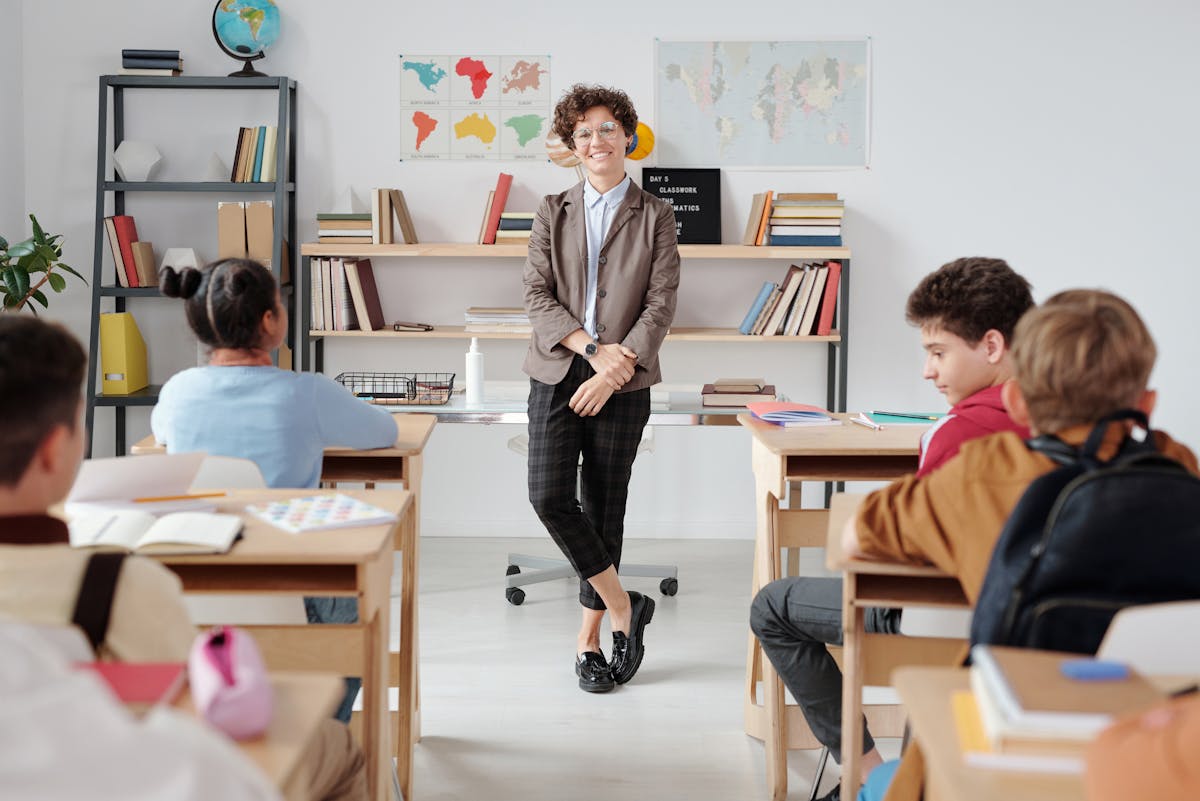
One of the significant advantages of Kindergarten 2 tuition is its ability to complement what children learn in their regular classroom settings. In many cases, children may struggle to grasp literacy concepts taught at school due to varying teaching styles. Having a small class size in tuition settings allows for individual attention.
Tuition can provide personalized learning experiences, thereby enabling children to revisit difficult concepts at their own pace. This approach not only builds familiarity but also reinforces confidence in their abilities. The result? Improved performance in academic pursuits.
Choosing the Right Kindergarten 2 Tuition Plan
Navigating through different tuition options can feel overwhelming. Parents want to ensure they’re making the right choices for their children.
Factors to Consider in a Tuition Plan
When selecting a Kindergarten 2 tuition plan, consider the following factors:
- Curriculum Focus: Ensure the tuition plan aligns with your child’s educational needs. A curriculum that emphasizes phonics and literacy skills is vital.
- Class Size: Smaller class sizes generally allow for more personalised attention and support.
- Instructor Credentials: Look for experienced tutors who have expertise in early childhood education and a passion for teaching literacy.
- Location and Accessibility: Choose a tuition centre that is convenient for both children and parents, as consistency is essential.
Tailoring Tuition to Your Child’s Needs
Every child is unique, which means a one-size-fits-all approach rarely works. Customising the Kindergarten 2 tuition plan based on an individual child’s strengths and weaknesses will produce the best results. Parents should communicate openly with educators to express any concerns or specific areas where their child may require additional focus.
The Impact of Kindergarten 2 Tuition on Reading Success
Investing in Kindergarten 2 tuition has notable long-term implications for reading success. The early years of education set the stage for future learning, and ensuring a solid foundation can mark a significant difference in a child’s academic trajectory.
Long-term Benefits of Early Intervention
Children who receive early tuition in literacy skills typically find it easier to transition into more complex reading materials as they progress through the school system. They become more proficient readers, leading to improved grades across subjects and a greater love of learning overall.
Encouraging a Love for Reading
Finally, a focused Kindergarten 2 tuition plan can foster a passion for reading that lasts a lifetime. When children engage with literature in warm, supportive environments, they learn to view reading as a rewarding and enjoyable experience. This love for reading equips children with the skills they need to explore new subjects, think critically, and ultimately succeed academically.
In conclusion, Kindergarten 2 tuition should not be viewed merely as an extra burden on parents or children; it is an investment towards laying the groundwork for blending words and fostering essential reading skills. With the right approaches, this investment opens doors to a world of opportunities. By focusing on interactive learning, phonics instruction, and parental involvement, we can ensure that our children are equipped with the tools they need for successful futures.